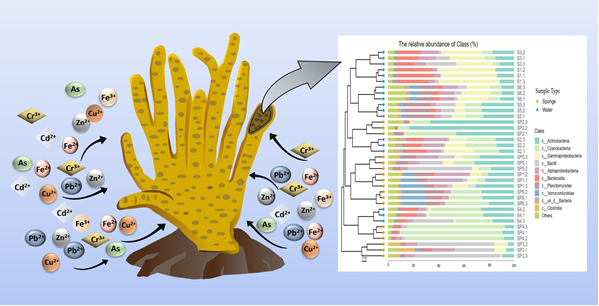
Scientists reveal the importance of sponge-associated microbes in tackling metal pollution
Freshwater sponges which host diverse microbial communities vital for ecosystem health, have been found to have the potential to act both as bioindicators and absorbents of toxic metals like arsenic, lead, and cadmium and can be a promising solution for bioremediation. As pollution continues to threaten aquatic ecosystems worldwide, nature’s own water purifiers are emerging as powerful allies in the fight for cleaner environments. Freshwater sponges, among the earliest multicellular eukaryotes, filter large volumes of water and are vital for ecosystem health. In a recent study published in Microbiology Spectrum (American Society for Microbiology) scientists from Bose Institute (an autonomous institute of the Department of Science and Technology, Govt. of India) studied freshwater sponges from the Sundarban delta and identified their potential to act as bioindicators of toxic metal pollution. Details PIB, DST.

Month Year : December - 2025
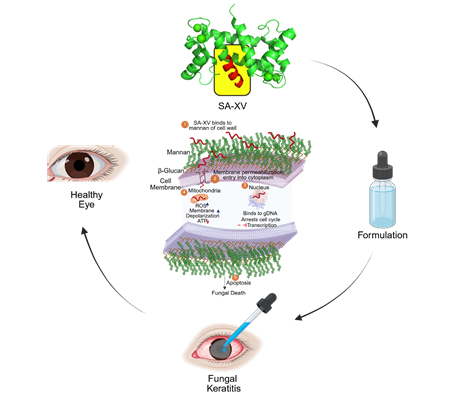
Peptide therapy emerges as a game-changer for eye infections
In their recent publication in the,” Journal of Biological Chemistry”, Dr. Sanhita Roy and her team from L V Prasad Eye Institute and Professor Anirban Bhunia and his team from Bose Institute along with other collaborators, reported that these antimicrobial peptides are non-toxic, serum-stable, and effective in inhibiting the growth of both planktonic and biofilm forms of Fusarium and Candida species. Details PIB, DST.

Month Year : December - 2025
Ayurveda provide new hope for Alzheimer's Disease
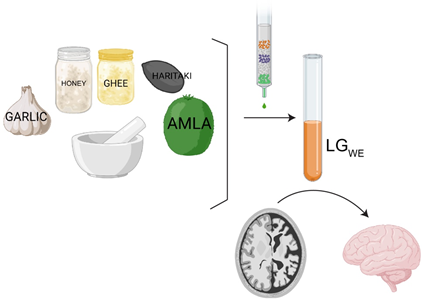
A new study that provides a multipronged approach to treatment of several neurodegenerative diseases, offers hope for Alzheimer’s Disease, Dementia, and related diseases. Amyloid proteins and peptides play a pivotal role in various neurodegenerative diseases, including Alzheimer's disease (AD). Synthetically designed small molecules/ show promise towards inhibition of various kinds of amyloidosis. Professor Anirban Bhunia and his team at the Bose Institute in Kolkata, an autonomous institute of Department of Science and Technology, employed two distinct strategies. First, they utilize chemically synthesized peptides to combat amyloid beta aggregation. Second, they repurpose a drug called Lasunadya Ghrita (LG) from Ayurveda, the ancient traditional Indian medicine, which has previously shown efficacy in treating depression-related mental illnesses. The non-toxic compounds of LG and their components were characterized and repurposed for use against amyloid beta 40/42 (Aβ) aggregation. The water extract of these compounds, referred to as LGWE, not only disrupted the fibrillation process during the elongation step but also inhibited the formation of oligomers in the initial stages of the fibrillation pathway. Remarkably, these compounds demonstrated greater efficacy in breaking down of amyloid aggregates into non-toxic smaller degradable molecules compared to the chemically designed peptides, suggesting its novel role in disaggregating amyloid-prone proteins. In a recent paper published in the prestigious journal Biochemistry (ACS), Professor Bhunia from Bose Institute, along with his collaborators from the Saha Institute of Nuclear Physics (SINP) Kolkata and IIT-Guwahati reported that the chemically designed peptides are non-toxic, serum-stable, and effective in inhibiting as well as disaggregating amyloid proteins, particularly Aβ 40/42.
link text DST , link text PIB

Month Year : January - 2025
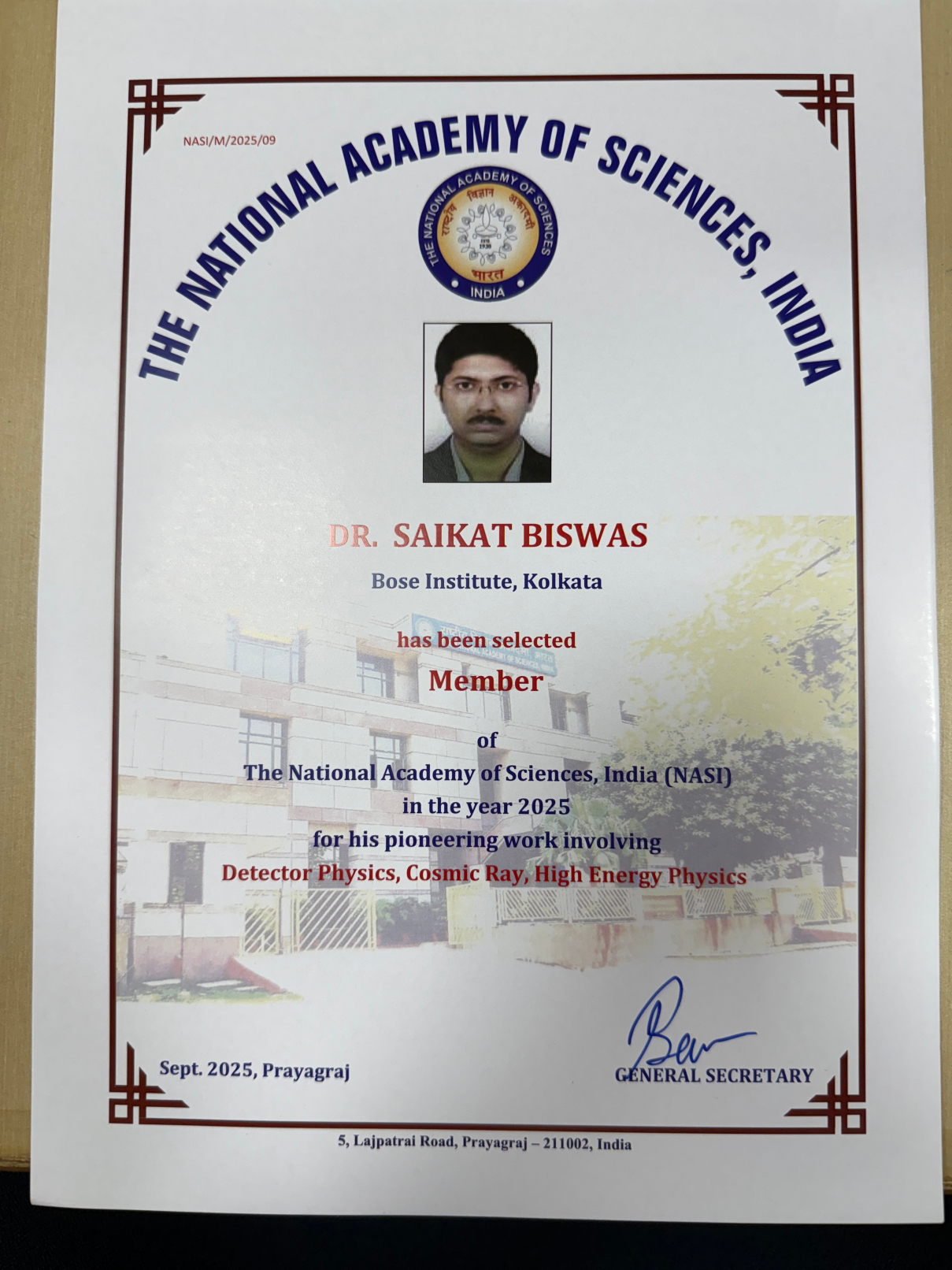
Congratulations to Dr. Saikat Biswas, Department of Physical Sciences for being selected as the member of The National Academy of Sciences India (NASI)
Click here for details

Month Year : December - 2025
New milestone in indigenous development of gaseous detector important for mega science FAIR project in Germany
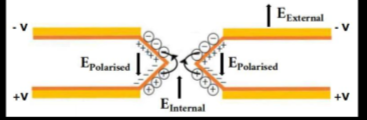
Researchers have developed an innovative technique using a radioactive source that can simplify the study of radiation effects on Gas Electron Multiplier (GEM) detectors, a crucial step in nuclear and particle physics experiments. Gas Electron Multiplier (GEM) detector are particle detectors used as tracking devices in high-energy physics experiments that utilizes a thin, perforated foil with a high electric field to amplify particles produced by ionizing radiation, allowing for precise detection of particles like muons by significantly multiplying the initial signal generated by the particle's interaction with the gas within the detector. They are also strong candidates for diagnostic applications in medical technology because of their good position resolution. First introduced by Prof. Fabio Sauli in 1997, GEM detectors consist of a 50 μm thick Kapton foil, with 5 μm copper cladding on both sides. Despite their advantages, the inclusion of Kapton, a radiation-resistant polyimide film with excellent insulating properties, in the active volume makes these detectors sensitive to radiation-induced effects, particularly the charging-up of the dielectric medium. During operation, ionizing radiation deposits energy into the detector, initiating electron avalanche formation. Details: https://www.pib.gov.in/PressReleasePage.aspx?PRID=2100715
link text DST link text PIB

Month Year : February - 2025
New light to track gene editing
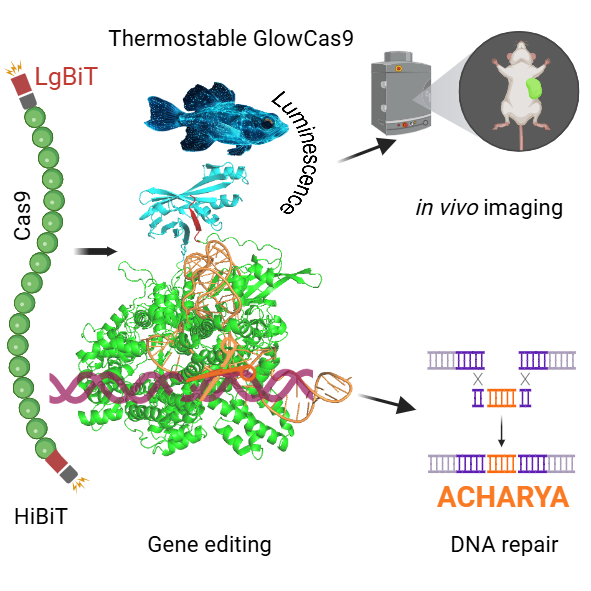
A newly engineered CRISPR protein could help scientists observe the molecular scissors called Cas9 enzyme as it enables them to edit genomes using the CRISPR-Cas9 system for treating genetic diseases including cancer. Gene therapy could be a permanent cure for many life-threatening hereditary diseases. Developing effective, affordable, and safe gene therapy methods remained a challenge for decades. A major breakthrough to address this challenge came in the form of CRISPR, a gene-editing tool that uses a guide RNA to direct a Cas9 enzyme to a specific DNA sequence, where it precisely cuts the DNA. The CRISPR-Cas9 had been designed to cut and correct DNA with accuracy. However, scientists could not observe Cas9, the molecular surgeon, in living cells in real time. Traditional detection methods rely on fixing or breaking open cells, making it impossible to track the process as it unfolds. Tracking gene editing as it happens or watching the molecular machinery as it works, cutting, repairing, and rewriting DNA inside living cells can help monitor CRISPR operations in living cells and tissues without destroying them. A team led by Dr. Basudeb Maji, has created GlowCas9, a CRISPR protein that lights up while performing gene editing. Details PIB, DST.

Month Year : December - 2025
Lighting Up Gene Editing: The GlowCas9 Story
Imagine watching gene editing happen in real time—like seeing a molecular surgeon at work, cutting and healing the DNA of living cells with glowing precision. That’s exactly what scientists at the Bose Institute, under the leadership of Dr. Basudeb Maji , have accomplished with GlowCas9—a groundbreaking CRISPR tool that literally lights up as it edits genes, recently published in Angewandte Chemie International Edition. (https://doi.org/10.1002/anie.202511707). The CRISPR-Cas9 system, often described as “genetic scissors,” has revolutionized medicine by allowing scientists to precisely correct faulty genes. However, one long-standing challenge has been tracking where and when Cas9 acts inside the body. Conventional antibody-based methods can detect Cas9 but only after the cells are fixed or destroyed—making real-time monitoring impossible. Details Click Here

Month Year : October - 2025
A new study overturns a central textbook model of bacterial gene regulation and unveils new paths for understanding bacterial gene regulation and its evolution
Happy to share a commendable research by Prof. Jayanta Mukhopadhyay, Department of Chemical Sciences, Bose Institute and his team! A new study overturns a central textbook model of bacterial gene regulation and unveils new paths for understanding bacterial gene regulation and its evolution. This can help in designing better antibiotics or regulatory inhibitors that block infection mechanisms. Details PIB, DST.

Month Year : November - 2025
Study by Bose Institute scientist Challenges Longstanding Dogma of Bacterial Gene Regulation
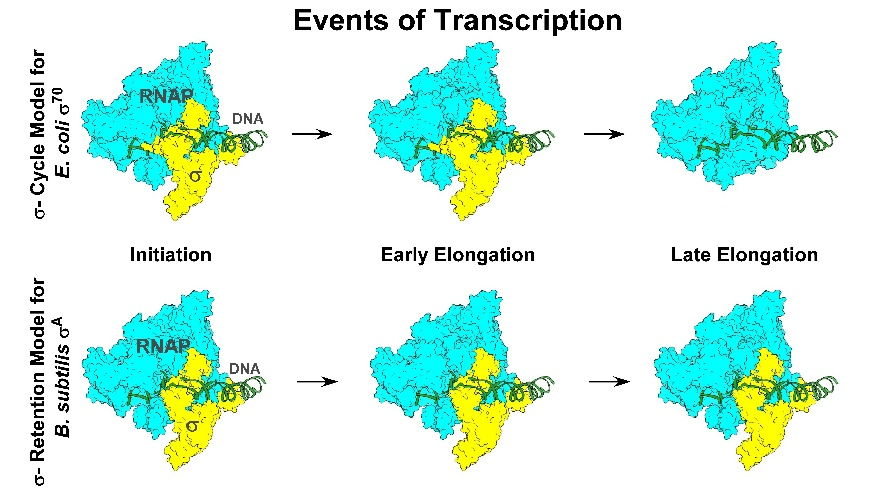
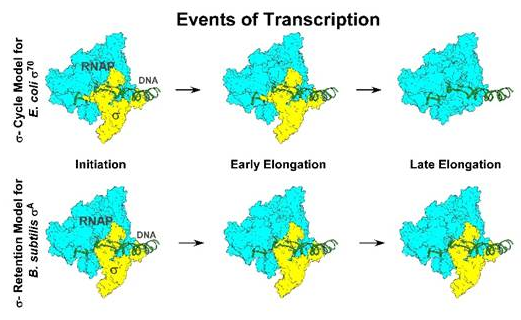
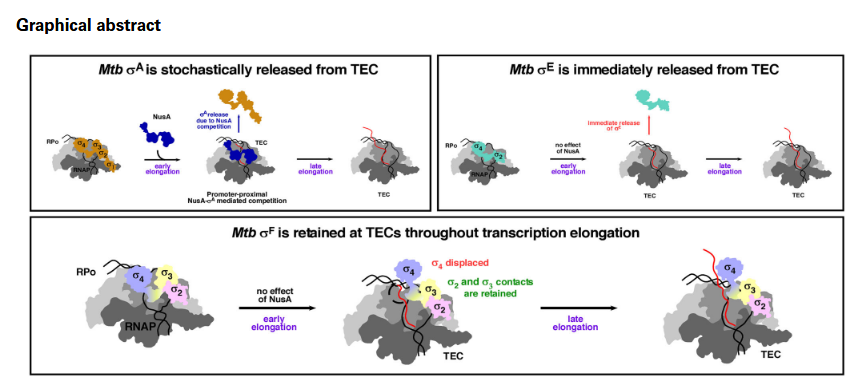
A new study published in the Proceedings of the National Academy of Sciences (PNAS) overturns a central textbook model of bacterial gene regulation. Researchers from the Bose Institute and Rutgers University report that, contrary to decades of scientific belief, the principal transcription initiation factor in Bacillus subtilis—σA—and a modified version of the Escherichia coli σ70 factor remain bound to RNA polymerase throughout transcription, rather than being released after initiation. For nearly 50 years, the so-called “σ cycle” model has proposed that σ factors bind RNA polymerase to initiate transcription and then dissociate to allow elongation. This concept was built largely on observations of E. coli σ70. However, the new findings reveal that the cycle is not a universal phenomenon. Prof. Jayanta Mukhopadhyay from the Bose Institute, whose lab works on understanding the fundamental mechanism of transcription and gene regulation in bacteria, is the lead author of this study, doi:10.1073/pnas. 2503801122. The central dogma of molecular biology depicts the unidirectional flow of genetic information from DNA to RNA to protein. In this essential process for life, the information encoded in the DNA (gene) is transcribed into RNA as the messenger carrying instructions, which is finally translated into proteins that carry out the cellular tasks. This flow occurs through DNA replication (DNA to DNA), transcription (DNA to RNA), and translation (RNA to protein). Click for details

Month Year : September - 2025
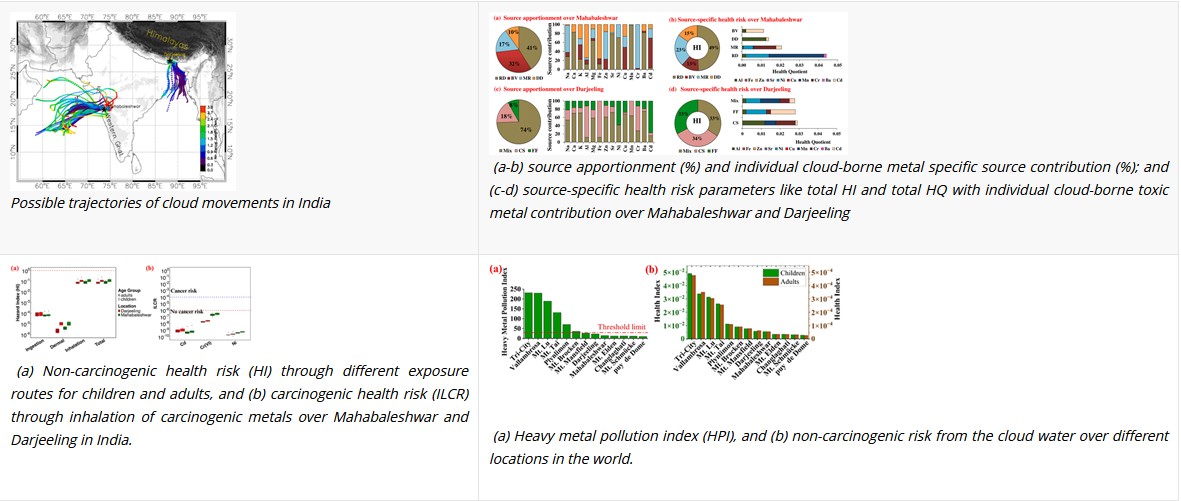
Himalayan clouds carrying toxic metals pose health risks
In the lofty heights of the Himalayas, where clouds drift over snow-capped peaks, a dangerous secret is being carried on the wind. A new scientific study has found that clouds—once believed to offer the purest drinking water—are silently ferrying toxic heavy metals from polluted lowlands to some of Earth’s highest, most fragile ecosystems. The findings not only shatter the myth of “clean” mountain rain but also ring alarm bells for human health, with potential risks ranging from cancer to developmental disorders. Metals in the cloud is a matter of growing concern due to its adverse impact on human health on a wider scale through continental long-range transport. However, information regarding metal contamination of low-level clouds, particularly the late summer and early monsoon clouds in India is lacking, Bose Institute, an autonomous institute of the Department of Science and Technology (DST) spotted toxic metals in non-precipitating clouds during the onset of monsoon over the Western Ghats and Eastern Himalayas. They also found that clouds over the Eastern Himalayas had 1.5 times higher pollution levels due to an increase in 40-60% higher loading of toxic metals like Cd, Cu, and Zn emitted from heavy traffic and industrial emissions that cause high health risk factors from carcinogenic diseases. - by Prof. Sanat Kumar Das. Details: link PIB, link DST

Month Year : August - 2025
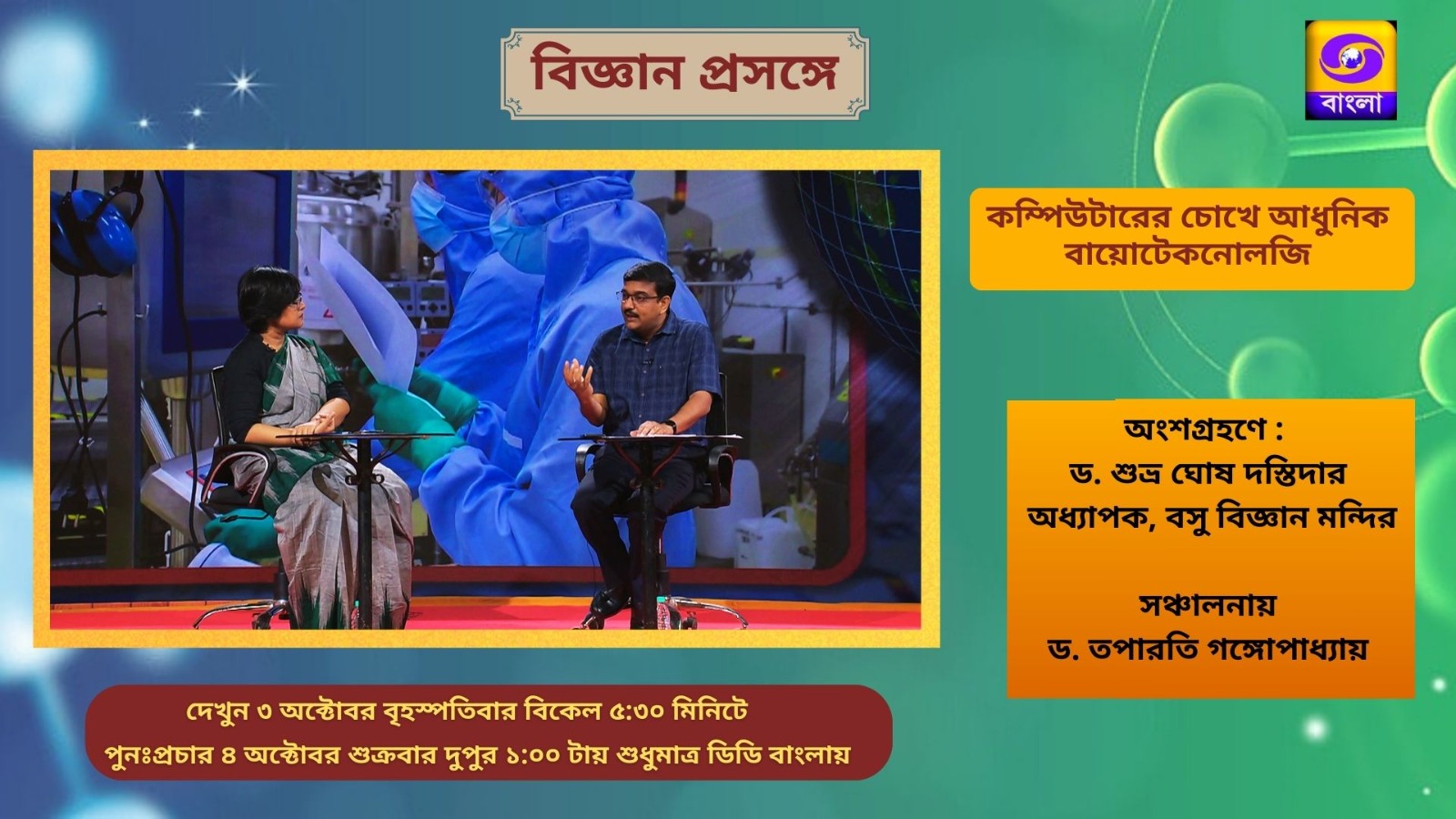
An interview to DD Bangla on Computer, Biotechnology and related subjects for the students by Prof. Shubhra Ghosh Dastidar
An interview to DD Bangla on Computer, Biotechnology and related subjects for the students by Prof. Shubhra Ghosh Dastidar.
Details Here

Month Year : October - 2024
The biochemist's path to artificial intelligence
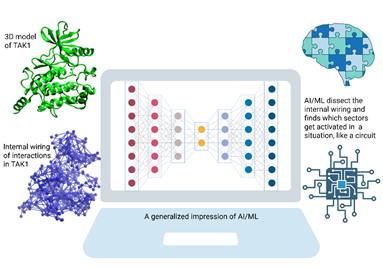
Proteins, which are assemblies of numerous atoms forming the building blocks of life, demonstrate cognitive-like responsiveness. Traditionally, intelligence is thought of as a trait exclusive to complex higher organisms with nervous systems like humans and apes. It involves cognition, learning, and the ability to respond to stimuli with adaptation or intention. A team from Bose Institute, an autonomous institute of the Department of Science and Technology (DST) set out to examine whether a molecule composed on an assembly of atoms mimic intelligent behaviour at the very basic level. The research led by Prof. Shubhra Ghosh Dastidar, involving his student Nibedita Ray Chaudhuri, worked on TAK1 kinase, a protein known for its role in cellular stress signaling and crucial to immune response, inflammations and even for the survival of cells. They observed that such highly organized assembly of atoms in specific cases, can develop such potential, even at a very rudimentary level. The discovery, which is now published in Journal of Chemical Information and Modeling is an outcome of the handshaking between Biochemical research and Machine Learning (ML); the latter is a subset of Artificial Intelligence (AI) based methods. The work is a classic example of an interdisciplinary approach and forms a part of a trilogy on TAK1, published during 2023-2025. Proteins are composed of thousands to millions of atoms suitably bonded to form polymeric chains of compounds called amino acids, but they become functionally alive only when those chains fold into a specific 3D compact form, called native state. It happens through the formation of enormous number of tiny electrostatic interactions between the atoms. For Details: link PIB, link DST

Month Year : August - 2025
Study introduces a "toxicity standard" of ultrafine aerosol (PM2.5) pollution over Kolkata megacity
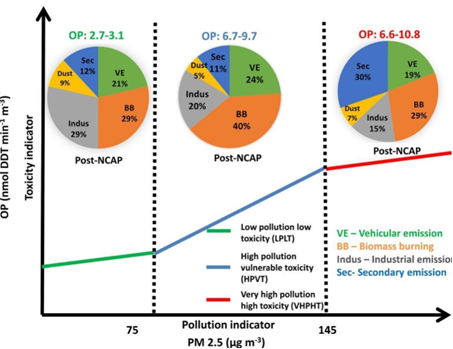
A new study conducted in Kolkata shows that the toxicity value of PM2.5 experiences a sudden jump when the pollution reaches around 70 µg m-3. PM2.5, or particulate matter with a diameter of 2.5 micrometers or smaller, is a significant air pollutant posing serious health risks, including respiratory and cardiovascular problems, and is a key indicator of air quality. The Government of India has taken several initiatives and policy measures to combat air pollution and the latest is the National Clean Air Program (NCAP) launched in 2019 by the MoEFCC. The programme is focused on the reduction of particulate matter by 40 % by 2026 with respect to 2017 through strategies and action plans for 131 non-attainment cities (not attaining the National Ambient Air Quality Standard of India) in India for different states. Kolkata has been identified as one of such cities in India. Bose Institute, an autonomous research institute under Department of Science and Technology, Govt. of India which has been given the responsibility to act as the Nodal Institute to work towards the mitigation of air pollution over this city and also to act as a national knowledge partner under the NCAP, studied the toxicity of atmospheric aerosols over the atmosphere of Kolkata. Prof. Abhijit Chatterjee and his former Ph.D students Dr. Abhinandan Ghosh and Dr. Monami Dutta also explored how the degree of the toxicity changes with the increase in total aerosol pollution load and have studied the oxidative potential (OP) of ultrafine aerosols (PM2.5) or the potential of forming the reactive oxygen species (ROS) that are introduced to the human lung cells via inhalation of particles. The enhanced presence of the reactive oxidative species makes the natural antioxidants of human cells incapable of counteracting, leading to oxidative stress in cells. Link: https://dst.gov.in/study-introduces-toxicity-standard-ultrafine-aerosol-pm25-pollution-over-kolkata-megacity
link text DST link text PIB

Month Year : April - 2025
Towards a fungus fighting pineapple
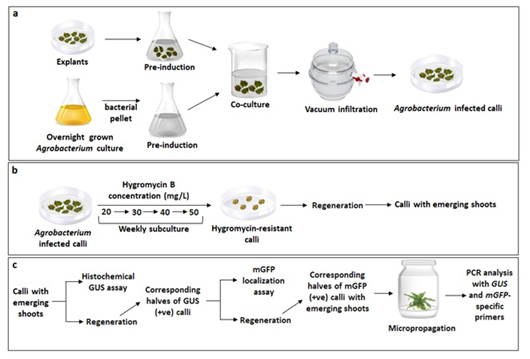
Indian researchers have identified a gene in pineapple that can provide a powerful, homegrown line of defence to the fruit against devastating fungal attacks. The pineapple (Ananas comosus L. Merr.) is the most economically significant fruit of the Bromeliaceae family that provides various health benefits alongside a delicious juicy flavour, resulting in a nutritious diet including all vital components. One of the biggest threats to pineapple farming is a disease called Fusariosis, caused by the aggressive fungus Fusarium moniliforme. It warps the plant’s stem, blackens the leaves and rots the fruit from the inside out. For farmers, this means heavy losses and unreliable harvests. For years, traditional breeding techniques have struggled to keep up with the fast-evolving onslaught of such fungal foes. Scientists are now trying to find solutions within the plant that can act as a shield against diseases. Scientists from Bose Institute, an autonomous institute of the Department of Science and Technology (DST) have identified the gene behind Somatic Embryogenesis Receptor Kinase (SERK) that can activate host defences against plant diseases. Focusing on the AcSERK3 gene, part of the pineapple’s genetic code, known for helping plants both reproduce and survive stress, Prof. Gaurab Gangopadhyay of Bose Institute, along with his PhD student Dr. Soumili Pal, enhanced—or "overexpressed" the gene in pineapple plants. This genetic tweak charged the plant’s natural defences, allowing it to fight off the Fusarium fungus far more effectively than ordinary varieties.
link text DST link text PIB

Month Year : July - 2025
New CRISPR technology can help plants outsmart heat and disease
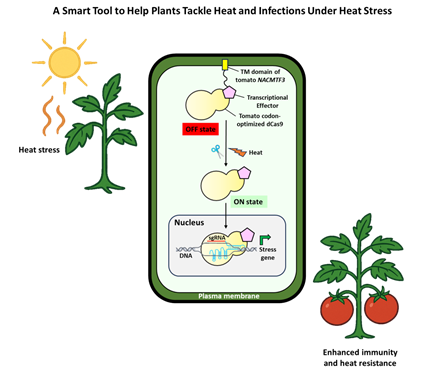
A smart molecular tool developed by scientists can aid plants facing rising temperatures and infections. Plants often feel stressed, especially when the weather is extreme or microbes attack. When they’re stressed, their productivity decreases. Searching for solutions that can help plants get smarter about defending themselves, researchers from Bose Institute, an autonomous institute of the Department of Science and Technology (DST), found an answer in CRISPR (Clustered Regularly Interspaced Short Palindromic Repeats). CRISPR tools usually work like scissors that cut DNA to create lasting changes. However, Prof. Pallob Kundu and his team used a modified version called dCas9. This version does not cut DNA. Instead, it acts like a switch that can turn genes on or off. The switch stays off until the plant experiences stress. To develop the tool, the scientists borrowed a clever part from the tomato’s own biology—a small piece of a natural protein called NACMTF3. This part, called the TM domain, works like a tether and keeps the dCas9 switch locked outside the control room (nucleus). But when under stress, for example, due to heat, the TM domain lets go off the tethering function. In a moment, the switch is released and moves into the control room, flipping on the genes that help the plant defend itself.
link text PIB

Month Year : July - 2025
Breakthrough in Disaccharide Synthesis Opens New Avenues for Complex Enzymatically Stable Mimetics
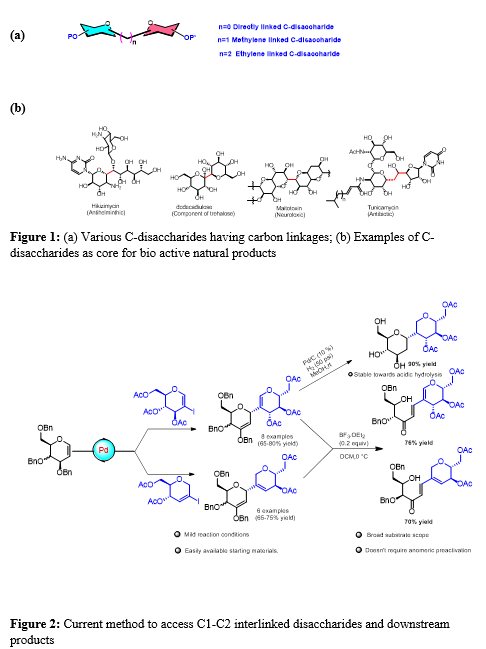
C-disaccharides are enzymatically stable analogues of O-glycosides. They are interconnected by carbon spacer (Fig 1a). Above class of molecules find application as therapeutics in different diseases areas and constitute core structure of several bioactive natural products (Fig. 1b). However, stereo-selective synthesis of such linkages remains a challenge. A novel and convenient method for synthesizing C1-C2 interlinked disaccharides has been developed in our lab, offering significant advancements in carbohydrate chemistry. We have demonstrated an efficient approach using readily available iodo-glycals and unsubstituted glycals as starting materials (Fig 2). The method involves reacting ester-protected donor molecules with ether-protected acceptors under a Pd-Ag catalytic system. This reaction yields C-disaccharides featuring a C-3 vinyl ether linkage. The process allows for subsequent ring opening through Lewis acid treatment, leading to the formation of π-extended conjugated orthogonally protected chiral ketones. Reduction and global deprotection leads to fully saturated disaccharides that are notably stable against acid hydrolysis, marking a significant achievement in the stability and utility of these complex molecules [Ref]. This new synthesis pathway not only simplifies the creation of intricate disaccharide structures but also enhances the stability and functionality of these compounds, paving the way for more advanced research and applications in carbohydrate chemistry. References:
1. Rasool, B., Zargar, I. A., Hussain, N., & Mukherjee, D. (2023). Pd-catalyzed synthesis of hetero 1, 2-interlinked C-disaccharides by coupling of iodo glycals with glycals. Chemical Communications, 59(59), 9090-9093.

Month Year : August - 2024
Old Science News


Related: Media / Press corner


Mathematical modelling and experiments demonstrate that mycobacteriophages can kill mycobacteria by non-lytic mechanisms. The information derived could lead to the development of new drugs for the treatment of TB
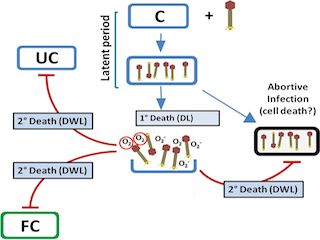


Mycobacteriophages infect and grow in mycobacterium species, several of which happen to be dangerous pathogens – the best known example being Mycobacterium tuberculosis that causes the deadly disease tuberculosis. Eliminating tuberculosis through prevailing antibiotic-based strategies has had restricted success, due to the rise of drug-resistant strains. Phage therapy for tuberculosis is an interesting possibility. Sujoy Das Gupta (Microbiology) and Soumen Roy (Physics) are currently investigating the mechanism by which these phages interact with their mycobacterial hosts, thereby killing them. Using D29, as a model mycobacteriophage, they have found that in addition to lysis, this phage can induce cell death through an alternative mechanism involving production of superoxide radicals. By obtaining more insight into this intriguing phenomenon, they eventually hope to unravel novel metabolic pathways that can be targeted for drug development against tuberculosis. This work was also selected by the editors of AEM spotlight

Reference: Samaddar S et al, Dynamics of mycobacteriophage-mycobacterial host interaction: Evidence for secondary mechanisms for host Lethality. Applied and Environmental Microbiology [ASM],  82, 124-133 (2016) 


A new approach towards information retrieval from dynamic multidimensional images using complex networks developed. The method can be used for non-invasive diagnosis of dry eye disease
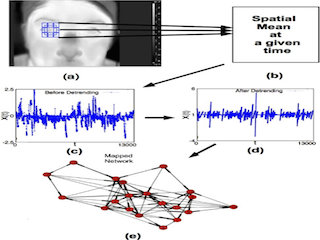


Soumen Roy presented a fresh and broad yet simple method of information retrieval from videos by converting them to time series and thence to networks. His lab used thermal imaging videos collected by collaborators at Calcutta University from patients at Calcutta Medical College. The mean pixel intensities from every frame of the imaged videos were collated into time series, which were then converted into networks. Using network measures they could successfully distinguish between dry eye patients and healthy individuals. 

This approach is completely new in medical diagnostics, particularly in eye research. The findings are important because their technique is fast and non-invasive (requires no physical contact with affected organs). They also showed that their approach compares well to sophisticated image processing algorithms, which are much harder to implement at the level of real-time electronic devices. The technique can be applied to many other videos and might help in designing smart devices. A patent has also been filed by TIFAC (DST). 

Reference: Banerjee SJ et al, Using complex networks towards information retrieval and diagnostics in multidimensional imaging. Scientific Reports [Nature],  5, 17271 (2015) 


Mechanism of ganglioside GM2 mediated migration of tumor cells - a pivotal role of the integrin receptor
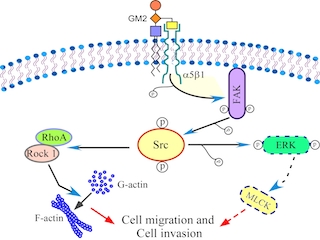


The definitive role of ganglioside GM2 in mediating tumor-induced growth and progression is still unknown. Kaushik Biswas recently reported a novel role of ganglioside GM2 in mediating tumor cell migration and uncovered its mechanism. They established the functional role of ganglioside GM2 by a multidirectional approach, using either silencing or over-expression of GM2-synthase, the key enzyme that controls GM2 biosynthesis. The mechanism of GM2-mediated tumor cell migration was elucidated using gene expression profiling as well as conventional biochemical techniques, which confirmed a role of integrin signaling and its downstream partners in the process. Finally, confocal microscopy suggested co-localization while co-immunoprecipitation and surface plasmon resonance confirmed direct interaction of membrane bound GM2 with the integrin receptor. Thus over-expression of select gangliosides (GM2) in tumors result in enhanced interaction with membrane bound integrin-1 causing activation of the downstream signaling leading to rearrangement of the actin cytoskeleton resulting in enhanced migration in tumor cells.

Reference: Kundu M et al, Mechanism of ganglioside GM2 mediated migration of tumor cells - a pivotal role of the integrin receptor. Biochimica et Biophysica Acta (BBA) - Molecular Cell Research [Elsevier], 1863, 1472-89 (2016)


Key molecular regulators of early blight disease response in tomato have been revealed
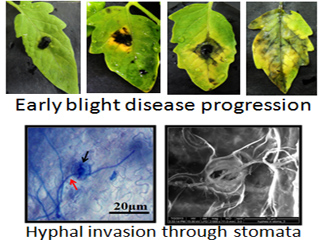


In plants, for a steady, specific and sturdy response against an invading pathogen reprogramming in gene expression cascade is essential. This reprogramming initiates from transcriptional regulation of gene expression. However, the abundance of a transcript is also dependent on regulatory microRNAs that are targeting a specific mRNA. Thus, to gain insight into the response regulators in tomato plants infected with early blight disease pathogen Alternaria solani the whole transcriptome analysis was performed. The differentially expressed mRNAs, miRNAs,  and the miRNA-mRNA interacting pairs were identified and in-depth bioinformatic analyses suggested that genes of plant-pathogen interaction, plant hormone signal transduction pathways and secondary metabolite biosynthesis were mostly affected by the regulated miRNAs. These analyses in the lab of Pallob Kundu have uncovered key regulators of Alternaria-stress response in tomato and would help in designing strategies for imparting resistance against the economically important pathogen. 
Reference: Sarkar D et alIntegrated miRNA and mRNA expression profiling reveals the response regulators of a susceptible tomato cultivar to early blight disease. DNA Research [Oxford] dsx003 (2017) 

delta factor of Bacillus subtilis is not a subunit of RNAP, but functions as a transcriptional factor


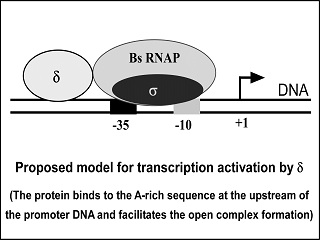
delta, a small protein found in most Gram-positive bacteria was, for a long time, thought to be a subunit of RNA polymerase and was shown to be involved in recycling of RNA polymerase at the end of each round of transcription. However, how delta participates in both up-regulation and down-regulation of genes in vivo remains unclear. Jayanta Mukhopadhyay has shown that in addition to the recycling of RNAP, Bacillus subtilis delta functions as a transcriptional activator by binding to an A-rich sequence located immediately upstream of the -35 element, consequently facilitating the open complex formation. 
His group further showed that delta could also function as a transcriptional repressor in which the protein binds to an A-rich sequence located near the -35 element of the promoters and inhibits the open complex formation due to steric clash with sigma region 4.2. Thus, the results explain the mechanism of up-regulation and down-regulation of genes by the protein. 
Reference: Prajapati RK et al, Bacillus subtilis delta factor functions as a transcriptional regulator by facilitating the open complex formation.  Journal of  Biological Chemistry [ASBMB], 291, 1064-75 (2016)

Newly designed  mASAL, a lectin like Protein conferring sheath blight resistance in transgenic rice 
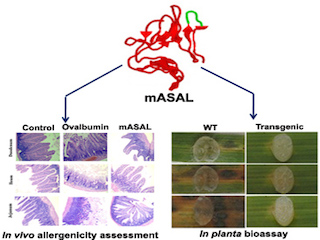


Allium sativum leaf agglutinin (ASAL), a dimeric mannose binding lectin has been established earlier as potent insecticidal protein. Using site directed mutagenesis,  a beta-turn was incorporated between 11th and 12th beta-strands of ASAL subunits, resulting in a stable monomeric variant,  mASAL. Instead of being insecticidal, mASAL exhibits significant antifungal activity against Rhizoctonial solani, causes devastating sheath blight disease in rice.  As per WHO/FAO recommendation, Pepsin digestion, thermal stability assay, targeted sera screening test and sensitization of Balb/c mice with mASAL established it as a biologically safe protein for biotechnological application. Transgenic indica rice expressing mASAL demonstrated significant tolerance to sheath blight. Studies conducted by Sampa Das’s group opens up the possibility of engineering important plants with mASAL for sustainable pathogen resistance.
Reference: Ghosh P et al, Monitoring the efficacy of mutated Allium sativum leaf lectin in transgenic rice against Rhizoctonial solani,  BMC  Biotechnology [BMC], 16, 24 (2016) 

Critical roles of Hsp90 in CRAF kinase stabilization and actin dependent translocation to the plasma membrane during MAPK signaling


RAF isoforms are commonly regulated by several molecular events and scaffold proteins. Being a strong chaperone client, CRAF is always assisted by Hsp90. In this paper, we provide the explanation for the stringent assemblage between CRAF and Hsp90 that differs for both newly made and folded CRAF kinase. Atin Mandal observed that Hsp90 promotes CRAF denovo maturation, essential for CRAF stability and activity. However, after folding the stability of CRAF does not depend on Hsp90 anymore, although the association between Hsp90 and CRAF still remains intact. The post-folding interaction between Hsp90 and CRAF regulates actin-dependent translocation of the kinase during MAPK signaling. Thus, Hsp90 keeps CRAF kinase maturation and its intracellular translocation in balance to sustain accurate cellular growth and proliferation.
Reference: Mitra S et al, Bipartite Role of Heat Shock Protein (Hsp90) Keeps CRAF Kinase Poised for Activation. Journal of Biological Chemistry [ABSMB], 291, 24579-24593 (2016)